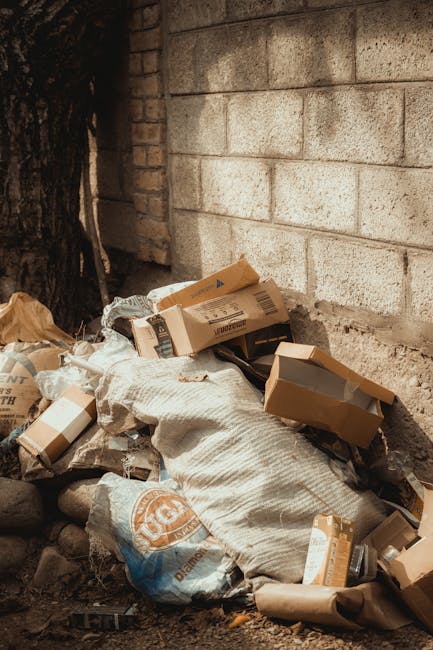
Cranford Park estate rubbish removal guide
If you live, work, or manage property around Cranford Park estate, rubbish has a habit of building up faster than you expect. One old sofa becomes a hallway blockage, a builder's bag turns into a trip hazard, and before long the place feels cluttered, awkward, and a bit stressful. This Cranford Park estate rubbish removal guide breaks the process down in plain English so you can clear waste safely, stay organised, and avoid the usual headaches.
Whether you are dealing with a one-off flat clearance, post-refurbishment debris, garden waste, or bulky household items, the right approach saves time and keeps things straightforward. Let's face it, nobody wants to spend a Saturday wrestling broken furniture down the stairs. This guide explains how rubbish removal typically works, what to check before you book, which mistakes to avoid, and how to choose the most suitable clearance method for your situation.
For readers comparing wider property-clearance options, pages such as waste removal, house clearance, and flat clearance may also be useful alongside this guide.
Table of Contents
- Why Cranford Park estate rubbish removal guide Matters
- How Cranford Park estate rubbish removal guide Works
- Key Benefits and Practical Advantages
- Who This Is For and When It Makes Sense
- Step-by-Step Guidance
- Expert Tips for Better Results
- Common Mistakes to Avoid
- Tools, Resources and Recommendations
- Law, Compliance, Standards, or Best Practice
- Options, Methods, or Comparison Table
- Case Study or Real-World Example
- Practical Checklist
- Conclusion
- Frequently Asked Questions
Why Cranford Park estate rubbish removal guide Matters
Rubbish removal is not just about making things look tidy. On a residential estate, clutter can affect access, safety, neighbour relationships, and even how smoothly repairs or moving day go. A blocked entrance, an overfilled bin store, or waste left in a shared area can quickly become everyone's problem.
That matters especially on estates where access is tighter and shared spaces are used daily. In practice, rubbish may need to be moved through communal corridors, shared paths, or limited parking areas, so planning matters more than people think. A quick dump-and-go approach often creates more disruption than it solves.
There is also a simple comfort factor. A clean entrance, clear walkway, and uncluttered garden or storage space makes a property feel looked after. You notice it the moment you walk in. The air feels lighter, the place looks calmer, and the work ahead suddenly feels manageable.
If the job involves mixed materials or awkward items, it is worth checking specialist clearance pages such as builders waste clearance, garden clearance, or garage clearance so you can match the service to the waste type rather than forcing everything into one basket.
How Cranford Park estate rubbish removal guide Works
Most rubbish removal jobs follow a fairly similar pattern, even when the waste looks wildly different. The main difference is how much preparation you do before the collection arrives.
First, identify what needs to go. Then separate anything reusable, recyclable, confidential, hazardous, or too heavy to handle safely. After that, decide whether you need a full clearance, a partial uplift, or a targeted removal of certain items such as furniture, appliances, or renovation waste.
From there, the process is usually about access and loading. Clear a route, make sure any gates or doors can open fully, and think about where the waste is currently stored. A first-floor flat with a narrow stairwell is a very different job from a ground-floor garage clear-out. Obvious enough, but easy to overlook when you are in the middle of a busy week.
Specialist services can help with specific categories too. For example, bulky items are often best handled through furniture clearance or furniture disposal, while older appliances may be better routed via fridge and appliance removal. If you are clearing an office room or backroom, office clearance is often the more efficient fit.
Key Benefits and Practical Advantages
The biggest benefit is obvious: you get your space back. But the practical advantages go deeper than that.
- Faster turnaround: A planned clearance is usually much quicker than dragging waste out in stages over several days.
- Less physical strain: Heavy lifting is where most DIY clear-outs become frustrating, and sometimes risky.
- Better sorting: Reusable, recyclable, and non-recyclable items can be separated properly from the start.
- Reduced disruption: Coordinated removal creates less mess in shared hallways, entrances, and parking areas.
- Cleaner final result: A proper clearance leaves the property ready for decorating, selling, renting, or simply living in.
There is also peace of mind. If you have ever stared at a stack of unwanted items and thought, "Where on earth do I start?", you will know the value of having a clear system. That calm, methodical approach saves a surprising amount of energy.
For properties that need broader decluttering, home clearance and loft clearance are often the natural next steps, especially when rubbish sits alongside old belongings, boxes, or stored furniture.
Who This Is For and When It Makes Sense
This guide is for anyone dealing with waste on or around Cranford Park estate and wanting a practical, low-drama solution. That could be a resident clearing a flat after a move, a landlord preparing a rental, a homeowner sorting a garage, or a tradesperson needing to remove leftover materials after a small job.
It also makes sense if you are trying to decide whether a skip, a man-and-van style clearance, or a more targeted removal service is the right fit. Sometimes the answer is straightforward. Other times, not so much. If access is tricky, if parking is limited, or if waste is mixed and bulky, a flexible rubbish removal approach is often easier than arranging a container and hoping for the best.
For business-related spaces, storage rooms, or shared commercial areas, business waste removal is worth considering. That said, if the job is just a few bags and one broken chair, you may not need anything elaborate at all.
Expert summary: The best rubbish removal plan is the one that fits the waste type, the access available, and the timeframe you actually have. Fancy plans are overrated. Clear, simple, and safe tends to win.
Step-by-Step Guidance
Here is a practical way to handle rubbish removal without turning it into an all-day battle.
- Walk the area first. Check every room, storage corner, hallway, bin area, or garden spot where waste has collected.
- Sort the items. Group general rubbish, recyclables, furniture, appliances, garden waste, and anything that may need special handling.
- Identify hazardous or restricted items. Paint, chemicals, certain electricals, and damaged containers can require separate treatment.
- Measure awkward items. A sofa that looks manageable in a living room can become a nightmare in a narrow stairwell. Happens all the time.
- Clear access routes. Move smaller items out of the way and keep hallways, steps, and doorways open.
- Decide on the right service. Choose the most suitable option based on the volume, weight, and type of waste.
- Confirm timing and access details. Parking, gate codes, and estate restrictions should be shared in advance if relevant.
- Do a final sweep. Check under shelving, behind doors, and in corners before the collection ends.
If you are unsure whether items are suitable for a skip or for a direct collection, the page on what can go in a skip can help clarify the basics. It is a good reminder that not every item belongs in the same pile.
Expert Tips for Better Results
Small decisions often make the biggest difference. A tidy, well-prepped job is usually cheaper, faster, and less stressful than a rushed one.
- Break items down where safe to do so. A dismantled wardrobe is easier to move than a complete one, assuming you can do it safely.
- Keep reusable items separate. If something could be donated, reused, or sold, don't bury it under general waste.
- Protect shared areas. Use care when moving items through communal halls or stairwells. One scraped wall and the mood changes quickly.
- Photograph the load beforehand. It helps with planning and avoids awkward surprises on the day.
- Be honest about the volume. Underestimating rubbish is one of the easiest ways to create delays.
- Ask about specialist items early. Mattresses, fridges, and awkward electronics are best mentioned upfront.
A practical tip from experience: put a rubbish bag near the front of each room as you sort. It keeps the process moving. You will notice a rhythm builds after ten minutes, and suddenly the job does not feel quite so big.
If the clear-out includes soft furnishings, the pages on mattress and sofa disposal and furniture disposal are useful references for planning what goes where.
Common Mistakes to Avoid
Rubbish removal gets messy when people rush the decision-making.
- Mixing everything together: That makes sorting harder and can create issues for recycling or disposal.
- Ignoring access limitations: Narrow stairwells, locked gates, and no-parking areas can slow a job down fast.
- Leaving dangerous items for later: Hazardous materials should never be left in a general pile because they are awkward.
- Forgetting hidden spaces: Loft corners, garage shelves, under-bed storage, and garden sheds often hide more waste than expected.
- Choosing the wrong disposal method: A small DIY load and a full estate clearance are not the same job at all.
- Not checking disposal responsibilities: If you are a landlord or managing a property, you need to be clear on who is arranging what.
One of the most common issues is simply being too optimistic. "It'll fit in a few bags" has caused more than one late-night scramble, to be fair. Plan for slightly more waste than you think you have.
Tools, Resources and Recommendations
You do not need specialist equipment for every small clearance, but a few sensible tools help a lot.
- Heavy-duty refuse sacks for mixed waste and small loose items.
- Gloves for grip and basic hand protection.
- Dust sheets or old blankets to protect hallways, lifts, or door frames during bulky moves.
- Tape, labels, or marker pens for sorting items into keep, recycle, donate, and remove.
- Sack trolley or furniture sliders if you are moving heavier items and the route is suitable.
- Measuring tape for checking larger items before lifting day arrives.
For more specialist support, the site also offers pages on garage clearance, garden clearance, and builders waste clearance. Those options are useful when your waste sits in one clear category rather than a random mix of everything under the sun.
If the job includes confidential papers or archive clutter, consider confidential shredding rather than tossing documents into general rubbish. It is a small step, but a smart one.
Law, Compliance, Standards, or Best Practice
Waste handling in the UK is not something to take casually. While the exact duty depends on your role and the type of waste involved, the broad principle is simple: waste should be handled safely, passed to the right kind of carrier or facility, and kept away from anything that could cause harm or pollution.
For householders, good practice means separating items sensibly, not placing restricted materials with general waste, and using a reputable service for removal. For landlords, agents, and businesses, the expectations are higher. You may need to show that waste has been managed properly, especially if there are multiple occupants, contractors, or shared storage areas involved.
It is also wise to think about fire risk, trip hazards, and contamination. A pile of mixed rubbish in a shared area can be more than untidy; it can become a safety issue. That is why many people look for clear information about health and safety policy, insurance and safety, and recycling and sustainability before booking a clearance service.
In plain English: ask questions, keep records where appropriate, and do not assume every item can be disposed of the same way. A careful approach is not just more responsible; it is usually smoother too.
Options, Methods, or Comparison Table
There is no single best method for every rubbish removal job. The right choice depends on access, volume, and how quickly you need the space cleared.
| Method | Best for | Advantages | Limitations |
|---|---|---|---|
| DIY bag-and-tip approach | Very small amounts of light waste | Low cost if you already have the time and transport | Slow, physically demanding, and awkward for bulky items |
| Skip hire | Ongoing projects, renovation debris, or larger mixed loads | Good for staged loading and bigger volumes | Needs space, permits may be needed in some cases, and loading is your responsibility |
| Man-and-van style rubbish removal | Bulky items, estate clear-outs, fast turnaround jobs | Flexible, hands-off, and often quicker on the day | Best value depends on the volume and type of waste |
| Specialist item removal | Fridges, mattresses, sofas, confidential waste, or hazardous items | Handled with the right care and route | Not suitable for all waste types and may need separate coordination |
If you are weighing up skip-style options, the page on what can go in a skip is a sensible companion read. It helps you avoid those classic "oh, that can't go in there?" moments.
Case Study or Real-World Example
Here is a realistic example. A resident on Cranford Park estate is moving out of a first-floor flat and has accumulated a sofa, a broken bedside cabinet, two bags of mixed rubbish, an old fridge, and a stack of flattened packaging from new furniture. Nothing dramatic. Just one of those jobs that grows while you are busy doing other things.
The sensible approach is to separate the appliance, isolate the bulky furniture, and keep the general rubbish in sacks that can be moved quickly. The hallway is measured first, the route is checked, and the waste is grouped near the exit so there is less shuffling later. The fridge is handled separately through fridge and appliance removal, while the sofa and cabinet fit neatly into a furniture uplift plan.
What changed the outcome most was not force, but organisation. The flat looked less chaotic almost immediately. The person dealing with it said the relief was instant, which sounds dramatic until you have lived with clutter for a few weeks. Then it makes perfect sense.
The same logic applies to estate gardens, garages, and lofts. Clear the path, sort the waste, choose the right removal route, and the whole job becomes much less painful.
Practical Checklist
Use this checklist before arranging rubbish removal on or around Cranford Park estate.
- Identify every item that needs to go.
- Separate general waste, recyclables, bulky items, and anything special.
- Check for hazardous, confidential, or restricted materials.
- Measure large furniture and appliances.
- Confirm access routes, parking, and any estate restrictions.
- Protect floors, walls, and shared spaces where needed.
- Set aside anything you want to keep, donate, or sell.
- Choose the most suitable clearance option for the amount and type of waste.
- Ask about mattresses, fridges, garden waste, and builders' debris if relevant.
- Do one final sweep of corners, cupboards, sheds, and storage spaces.
If you are dealing with property-wide decluttering rather than just one room, house clearance and home clearance are both worth reviewing before you book anything. Different jobs, different pace.
Quick takeaway: the better you sort the waste before collection day, the smoother the whole job becomes. Simple as that.
Conclusion
A good Cranford Park estate rubbish removal guide should leave you feeling clearer, not more confused. The real aim is to make waste clearance feel manageable: sort it well, choose the right route, and avoid the little mistakes that create bigger problems later.
In practice, that means planning for access, separating special items, and using the most appropriate service for the job rather than the nearest guess. You do not need to overcomplicate it. A calm, sensible approach usually wins, and honestly, that is what most people want at the end of the day.
If you are preparing a clearance and want to compare service options, take a look at pricing and quotes, then review the service pages that match your waste type. A little planning now can save a lot of hassle later, and that is no bad thing.
Get a free quote today and see how much you can save.
Clear spaces have a way of making life feel lighter. Sometimes that is exactly the reset you need.
Frequently Asked Questions
What does a Cranford Park estate rubbish removal guide actually cover?
It covers the practical side of clearing unwanted waste from a property or shared space on the estate, including sorting, access, safe handling, and choosing the right removal method.
How do I know whether I need rubbish removal or a full clearance?
If you are dealing with a small amount of loose waste, removal may be enough. If the job includes furniture, appliances, room contents, or mixed clutter, a clearance service is usually the better fit.
Can bulky furniture be removed from a flat or upper floor property?
Yes, but access matters. Stairs, lifts, door widths, and shared hallways all affect how the item can be removed safely.
What should I do with a fridge, freezer, or other appliance?
These items are best handled separately through a specialist appliance removal route rather than being mixed with general rubbish.
Is it better to use a skip or a rubbish removal service?
It depends on the site and the waste. A skip suits ongoing projects with space available, while rubbish removal is often easier for bulky items, fast clear-outs, or places with tricky access.
Do I need to sort recyclable items before collection?
It is helpful, yes. Separating recyclables where practical makes the process cleaner and supports better waste handling overall.
What happens if I have hazardous waste?
Hazardous items should not be put into general waste piles. They need separate treatment, so it is best to identify them early and ask how they should be handled.
How can I prepare a shared estate area without causing disruption?
Keep walkways open, move waste in stages if needed, protect surfaces, and avoid leaving items in communal areas longer than necessary.
Can I mix garden waste with household rubbish?
You can sometimes have mixed loads, but garden waste is often best kept separate if you want easier sorting and a cleaner disposal route.
What if I am clearing a property for sale or let?
Then speed, presentation, and completeness matter. A proper clearance can make the property easier to photograph, view, and hand over without last-minute panic.
Are confidential papers safe to throw out with general rubbish?
No, not if the papers contain sensitive information. Confidential shredding is the safer option for documents that should not be left intact.
How far in advance should I plan rubbish removal?
For a small job, a short lead time may be enough. For larger clear-outs, awkward access, or specialist items, it is better to plan ahead and give yourself breathing room.