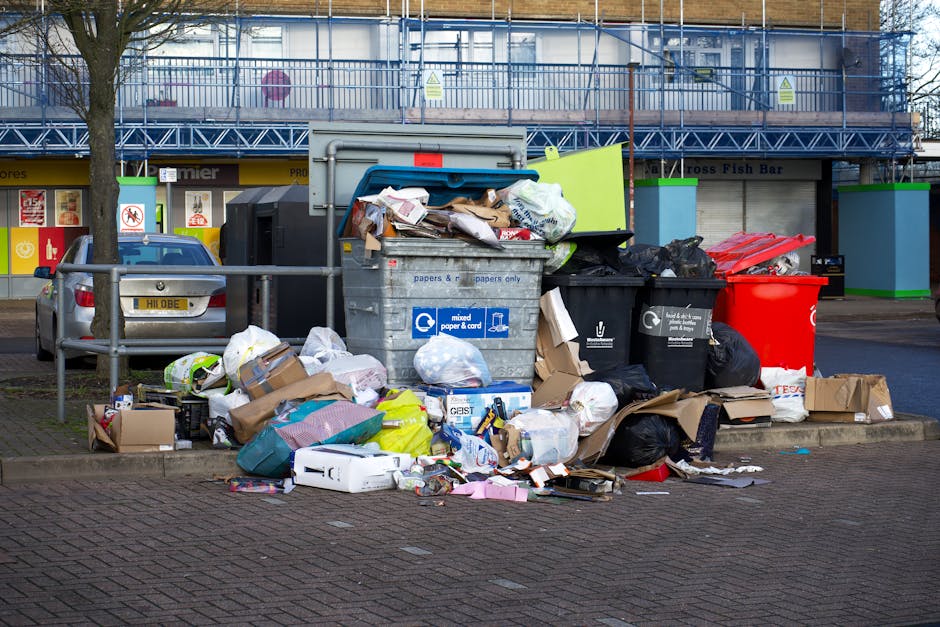
Heathrow commercial waste pickup for businesses in Hounslow

If your business near Heathrow is producing waste every day, you already know the pattern: bins fill up fast, back rooms get cramped, and someone always ends up wondering where the extra cardboard, packaging, or old office kit is supposed to go. Heathrow commercial waste pickup for businesses in Hounslow is the practical answer to that mess. Done properly, it keeps your site clearer, your team safer, and your operation running without those annoying "we'll sort it tomorrow" moments that somehow turn into next week.
Whether you run an office, shop, workshop, hospitality venue, or a trade business serving the airport corridor, the right pickup setup can save time and reduce stress. It also helps you handle waste more responsibly, which matters more than people often admit. In this guide, we'll walk through how commercial waste collection works, what to expect, where businesses usually trip up, and how to choose a smarter route for your site in Hounslow.
Why Heathrow commercial waste pickup for businesses in Hounslow Matters
In an area shaped by airport activity, logistics, retail, hospitality, and service businesses, waste is not just a bin issue. It affects space, timing, customer impression, and sometimes even health and safety. A pile of broken pallets or overfilled sacks outside a business unit can make a place look chaotic very quickly. And let's face it, nobody wants to start the day moving rubbish around before the actual work begins.
Commercial waste pickup matters because business waste is different from household waste. It is usually produced more often, in larger volumes, and across a wider mix of materials. That might include cardboard, packaging, office paper, food waste, mixed recyclables, old furniture, electrical items, or site clearance waste after a fit-out. A well-planned pickup service helps you keep those streams under control instead of dealing with them in a last-minute rush.
For businesses in Hounslow near Heathrow, there is also the practical reality of busy roads, tight loading times, shared access points, and the need to keep operations moving. Pickup timing becomes part of the workflow, not an afterthought. If your waste is collected reliably, staff spend less time managing clutter and more time serving customers, handling deliveries, or just getting on with the day.
There is a bigger picture too. Good waste management supports recycling, reduces contamination, and can help businesses demonstrate a more responsible approach. If you already care about sustainability, recycling and sustainability is worth a look alongside your pickup plan. It's not glamorous, obviously, but it does send the right signal.
How Heathrow commercial waste pickup for businesses in Hounslow Works
The basic idea is simple: a business arranges regular or one-off removal of commercial waste from its premises, usually with collections timed to suit operational needs. In practice, though, there are a few moving parts. First, you identify the waste types your business creates. Then you decide how often waste needs to leave the site. After that, you agree the collection method, access arrangements, and any special handling requirements.
Some businesses only need occasional pickups after a refurb or stock clearance. Others need scheduled removal because waste builds up every day. A small office might produce mainly paper, packaging, and old stationery. A hospitality site may deal with food waste, broken furniture, and bulky sack waste. A trade business may have mixed debris, timber, and renovation leftovers. Different businesses, different rhythms.
In many cases, pickup services can be paired with broader removal support. If you are dealing with larger clearances, it may make sense to combine pickup with business waste removal or, for office-heavy sites, office clearance. That can be more efficient than arranging several separate jobs. Truth be told, most people prefer one clear plan rather than juggling four different collections and a spreadsheet nobody enjoys looking at.
The process usually starts with a quote or a discussion of what needs removing. You'll want to explain what type of waste you have, approximate volume, how often you need service, and whether access is straightforward. From there, the provider can recommend a pickup pattern that fits your site. If you prefer to arrange things online, you can use the online booking option for a quicker start.
For unusual items, it helps to be direct. Fridges, appliances, and other awkward items need special handling, so it is better to mention them early rather than leaving them beside the bins and hoping for the best. That never works out brilliantly, in our experience.
Key Benefits and Practical Advantages
There are obvious benefits to keeping waste moving, but the real value often shows up in the day-to-day details. Here's where businesses notice the difference.
- Cleaner premises: Waste does not build up in corridors, yards, loading bays, or back rooms.
- Better staff efficiency: Team members spend less time dealing with overflowing rubbish or recycling piles.
- Improved presentation: Clients, suppliers, and visitors see a more organised site.
- Safer working conditions: Less clutter means fewer trip hazards and less obstruction around busy areas.
- More predictable operations: Collections happen when planned, rather than when the situation becomes annoying.
- Better recycling outcomes: Waste can be separated more effectively, which helps reduce contamination.
There is also a simple emotional benefit: things feel manageable. That sounds small, but anyone who has worked in a cramped back office or a busy yard knows how much better the day goes when waste is under control. You can hear it in the space itself. Less rustling packaging. Fewer bags leaning in odd corners. Just a bit more breathing room.
If your site produces bulky items as well as day-to-day waste, you may find it useful to coordinate pickup with other removal services such as furniture disposal, fridge and appliance removal, or even builders waste clearance after works. That way, you are not stuck with one-off items lingering for weeks because nobody quite owns them.
Who This Is For and When It Makes Sense
This kind of pickup is useful for a lot more than just big commercial premises. In fact, some of the strongest demand comes from mid-sized businesses that are large enough to create regular waste but small enough not to have a dedicated facilities team. That middle ground can be awkward if you do not have a proper collection plan.
It makes sense for:
- offices with regular paper, packaging, and unwanted equipment;
- shops and showrooms handling deliveries and display waste;
- cafes, restaurants, and food businesses with mixed waste streams;
- warehouses and logistics sites managing packaging and pallet waste;
- builders, contractors, and fit-out teams needing site clearance support;
- landlords and property managers dealing with commercial voids or strip-outs;
- businesses that need occasional bulky item pickup without a long-term contract.
It also makes sense when waste starts affecting the rhythm of work. If staff are walking around bags to reach stock, or if your delivery area is always one collection away from chaos, then the collection setup is too loose. You do not need a grand overhaul. Sometimes you just need a cleaner, more sensible pickup schedule.
For workplaces with confidential paperwork or sensitive documents, it is worth looking at secure disposal as part of the same conversation. A separate service such as confidential shredding can be a practical addition if paper security is an issue. Different waste, different risk, different handling.
Step-by-Step Guidance
If you want a smoother setup, break the process into clear steps. Rushing this part usually creates avoidable problems later.
- Identify what your business throws away. List the common waste types: cardboard, mixed rubbish, food waste, furniture, appliances, or trade waste.
- Estimate how much you produce. You do not need a perfect figure. A practical estimate is enough to begin with.
- Separate normal waste from specialist waste. Hazardous items, electrical goods, and confidential material should be identified early.
- Check access and storage space. Think about where waste will be kept before collection, and whether collection vehicles can get in easily.
- Choose collection frequency. Daily, weekly, ad hoc, or after-project pickup all work differently.
- Ask about sorting and recycling expectations. Knowing what goes where helps reduce contamination and costs.
- Confirm the service paperwork. Make sure the arrangement is clear and that your business understands what is included.
- Review after the first few pickups. If bins overflow or collections are too frequent, adjust rather than letting the system drift.
A useful rule of thumb: if your waste area looks messy before lunch, the collection schedule is probably not doing its job. That's not a moral failing. It just means the pattern needs tuning.
If your collection includes bulky or mixed items, a broader waste plan may help. For example, businesses handling end-of-life fit-out items could check waste removal as a simpler umbrella option, especially if they do not want multiple suppliers for one job.
Expert Tips for Better Results
Small improvements usually make the biggest difference. Here are the practical habits that tend to keep waste pickup smooth.
- Label bins clearly. Staff are far more likely to use them properly if the purpose is obvious at a glance.
- Keep recycling streams separate. Cardboard mixed with general waste is one of the most common avoidable mistakes.
- Make one person responsible. A single point of contact avoids confusion when collections need adjusting.
- Watch peak periods. Stock deliveries, end-of-month clear-outs, and seasonal trading can suddenly increase waste.
- Leave enough access space. Collections are much smoother when sacks and bulky items are not stacked against a locked door or fire exit.
- Plan for awkward items early. Old fridges, broken desks, and damaged shelving should not be left as an afterthought.
One thing people often underestimate is how much better waste management works when staff know the system. A quick five-minute reminder can save a lot of sorting later. Not thrilling, sure, but it works.
If your premises are undergoing refurbishment, you might also compare how pickup fits alongside builders waste clearance. For some sites, combining the two keeps the project moving and reduces the number of interruptions on a busy day.
Common Mistakes to Avoid
Most waste problems are not caused by one huge failure. They come from little habits that build up. The good news is that they are easy to spot once you know what to look for.
- Using the wrong waste stream: Putting everything into one pile makes sorting harder and less efficient.
- Ignoring access issues: A collection can be delayed if the waste is blocked by deliveries, parked vehicles, or locked gates.
- Forgetting about special items: Electricals, appliances, and potentially hazardous materials need separate handling.
- Overfilling bins or sacks: That creates spills, safety problems, and a site that feels harder to control.
- Leaving waste until the last minute: If collection day arrives and the pile is still growing, things get awkward fast.
- Not reviewing the arrangement: A pickup plan that worked in quiet months may not suit busier periods.
It sounds obvious, but businesses also forget to ask what happens if the waste mix changes. A cafe refurb is not the same as a standard week of trade. Likewise, a small office moving out of its unit will produce very different waste from its normal desk-to-desk routine.
And yes, someone always says, "Can't it just all go together?" Sometimes it can. Often it really can't. That's the honest answer.
Tools, Resources and Recommendations
You do not need a lot of fancy kit to manage commercial waste well. Most of the time, a few sensible basics are enough.
- Clear bin labels: Helps staff separate cardboard, general waste, and recyclables.
- Simple collection log: Useful for tracking how often pickups happen and whether the current schedule is working.
- Designated waste area: Keeps sacks, boxes, and bulky items out of the way of daily work.
- Contact list for unusual items: Handy when you suddenly have an appliance, damaged furniture, or site-clearance waste to move.
- Payment and service records: Important for bookkeeping and for keeping track of service changes.
For businesses comparing value rather than just looking at the cheapest option, the pricing and quotes page is a sensible place to start. If you want to understand how service quality, access, and waste type affect the overall setup, that kind of guidance helps you make a steadier decision.
If you care about how waste is handled after pickup, the site's recycling and sustainability page is also useful. It helps frame the wider picture, which is often missing from pages that only talk about collection speed.
Law, Compliance, Standards, or Best Practice
Waste from a business is not treated the same way as household rubbish. That means your business should handle it with care, keep records where needed, and make sure waste goes to an appropriate destination. The exact legal duties can vary depending on the waste type and your business setup, so it is wise to be cautious rather than casual.
In practical terms, best practice usually means:
- separating recyclable and non-recyclable waste where possible;
- keeping hazardous or awkward materials apart from ordinary waste;
- using services that can explain how they handle collection, transport, and disposal;
- maintaining clear site procedures so staff know what goes where;
- keeping basic records of service arrangements and pickup schedules;
- choosing providers with visible attention to safety and insurance.
If you are dealing with higher-risk items, it is sensible to review a provider's approach to handling and safety before anything is collected. Pages such as health and safety policy, insurance and safety, and hazardous waste disposal are useful because they show whether the provider takes operational risk seriously. That matters more than people sometimes think, especially on busy commercial sites.
If you are disposing of appliances, a separate look at fridge and appliance removal can help you avoid mixing ordinary waste with items that need special handling. Similar logic applies to upholstered items and bulky furniture, which are often better planned than improvised.
Practical summary: If the waste is routine, keep the process simple and consistent. If the waste is bulky, sensitive, hazardous, or changing quickly, slow down and map it properly first. That one pause can save hours later.
Options, Methods, or Comparison Table
Businesses near Heathrow and across Hounslow usually choose between a few common approaches. The best one depends on volume, frequency, and how much hands-on effort you want to spend managing waste.
| Method | Best for | Advantages | Trade-offs |
|---|---|---|---|
| Regular scheduled pickup | Ongoing business waste | Predictable, tidy, easy to manage | Needs stable volumes and a clear routine |
| One-off pickup | Clear-outs, refurbishments, seasonal spikes | Flexible, useful for sudden jobs | Less convenient if waste keeps returning |
| Combined removal service | Mixed waste, bulky items, site clearances | Fewer suppliers, simpler coordination | Requires clearer briefing at the start |
| Specialist pickup for sensitive items | Confidential, hazardous, or awkward materials | Better handling and reduced risk | May need more planning and separation |
There is no single perfect method. A business can even use more than one. For instance, a busy office might rely on regular pickup for day-to-day waste, then arrange occasional clearance for old desks or storage items. The trick is keeping the arrangement simple enough that your team actually follows it.
For occasional bulky items, it may also help to understand what fits into larger mixed loads by checking what can go in a skip. Even if you are not using a skip directly, the page is useful for thinking through what belongs together and what needs to stay separate.
Case Study or Real-World Example
Picture a small business unit near the Heathrow corridor: a company with office staff, delivery boxes arriving throughout the week, and a storage corner that slowly turns into a graveyard for broken chairs, packaging, and surplus equipment. Nothing dramatic. Just the usual clutter that gets ignored because everyone is busy.
At first, the team tries to manage waste informally. One person takes bins out when they remember. Cardboard gets folded, then not folded, then stacked by the door. A couple of damaged items sit in the corner "until someone has time." By Wednesday afternoon, the back area starts to look and feel tight, and someone has to squeeze past waste bags to reach supplies. It's not ideal.
After reviewing the setup, the business switches to a clearer pickup routine. General waste is separated from cardboard. Bulky items are flagged early. A collection point is assigned, and staff get a simple reminder about what goes where. The difference is noticeable within days: fewer obstructions, a cleaner floor, and less time wasted moving bags around before meetings or deliveries.
Nothing magic happened. No miracle. Just a better system. And that is often the real win with commercial waste pickup. It removes friction.
Practical Checklist
Use this checklist before you book or review a pickup arrangement:
- Have you listed the main waste types your business creates?
- Do you know which items need special handling?
- Is there a clear storage point for waste before collection?
- Can vehicles or crews access the site without disruption?
- Do staff know what should be separated?
- Are bulky items, appliances, or furniture flagged early?
- Have you thought about peak periods and seasonal changes?
- Is the pickup schedule realistic for your actual volumes?
- Do you have a point of contact for changes or issues?
- Have you reviewed safety, insurance, and service expectations?
If you tick most of those boxes, you are in decent shape. If not, that is fine too. Better to find the gaps now than after the first overloaded collection day.
Get a free quote today and see how much you can save.
Conclusion
Heathrow commercial waste pickup for businesses in Hounslow is really about control. Control over space, timing, safety, and how smoothly your working day runs. When it is set up well, waste stops being a recurring headache and becomes just another quiet part of the operation. That may not sound exciting, but it is exactly the sort of boring efficiency that helps a business feel more professional.
If you are reassessing your current arrangement, start with the basics: what you produce, how often it appears, and what should happen to it next. Then choose a collection approach that fits real life, not an idealised version of it. That's usually where the good results come from.
And if you want a more joined-up approach, take a look at the company's about us page to understand the service approach, then use the practical pages on pricing, sustainability, and specialist removal to shape a plan that actually fits your business. Simple, steady, and honest. That's the goal.
In a busy place like Hounslow, a cleaner site is not just nicer to look at. It helps the whole business breathe a bit easier.
Frequently Asked Questions
What counts as commercial waste for a business in Hounslow?
Commercial waste is any waste produced by a business rather than a household. That can include office paper, packaging, food waste, broken furniture, appliances, trade debris, and general rubbish from day-to-day operations.
How often should Heathrow-area businesses arrange waste pickup?
It depends on how quickly waste builds up. A busy office might need weekly collection, while a trade site or hospitality business may need more frequent service. The right schedule is the one that keeps the site workable without constant overflow.
Can one pickup service handle mixed business waste?
Sometimes yes, but not always. Mixed waste can be collected together in some situations, while certain items such as appliances, hazardous materials, or confidential documents may need separate handling. It is best to be clear from the start.
What should I do with bulky items like desks or chairs?
Bulky items are usually easier to deal with if you flag them early. They may be collected as part of a broader clearance or disposal job, especially when combined with office or furniture removal.
Is commercial waste pickup better than a skip for my business?
It depends on access, waste type, and how much control you want over sorting. Pickups are often better for ongoing or regular waste, while a skip can suit certain project-based jobs. Some businesses use both at different times.
What happens if my waste includes a fridge or appliance?
Appliances should be identified separately because they often need more careful handling. A service like fridge and appliance removal is usually the safer route than leaving such items with general waste.
Do I need special handling for confidential paperwork?
Yes, if you are disposing of sensitive documents, it is sensible to use secure shredding rather than putting paperwork into normal waste. That helps reduce risk and keeps your office process tidier too.
What are the most common waste management mistakes businesses make?
The biggest ones are poor separation, leaving waste to pile up, blocking access routes, and forgetting about special items. They are all avoidable, but they happen a lot when the team has no simple system to follow.
How do I know if my current waste schedule is too small?
If bins overflow before collection day, if staff start stacking bags in hallways, or if waste areas feel cramped by midweek, the schedule is probably too light for your actual volume.
What should I ask before booking a pickup service?
Ask what waste types are accepted, how access is handled, whether bulky items can be included, what happens with recycling, and how changes to the schedule are managed. A clear answer up front usually saves trouble later.
Is there a best practice approach for waste in busy Heathrow-related businesses?
Yes: separate waste streams, keep access clear, identify special items early, and review the arrangement regularly. That basic discipline tends to work well even when the business gets busier or the waste mix changes.
How can I get a better idea of pricing before I commit?
Look at the service details, compare the type and frequency of pickup you actually need, and review the pricing and quotes guidance before making a decision. The cheapest option is not always the cleanest fit, to be fair.